Buying your first proper bicycle can feel confusing. Shops talk about frame sizes, gear groups and brake types, and every model looks similar online. The good news is that a few simple questions are enough to narrow the choice to two or three bikes. This guide walks you through them in plain language.
Start with how you will ride
The best bicycle is the one that suits the roads you ride most often. Before you look at any model, write down where, how far and how often you plan to ride.
- Commuting or errands on tarmac: a hybrid or city bike with mudguards and a rack mount is practical
- Fitness rides and longer distances on smooth roads: a road bike or fitness bike is lighter and faster
- Gravel tracks, trails and rough surfaces: a mountain bike or gravel bike gives grip and comfort
- Short, relaxed trips and carrying shopping: a comfort bike with an upright seat position
- Hills or a long commute without arriving sweaty: consider an electric bike
The main types of bicycle
| Type | Best for | Trade-off |
|---|---|---|
| Road bike | Speed and distance on smooth tarmac | Narrow tyres and a forward lean are less comfortable on rough roads |
| Mountain bike | Trails, dirt roads and rough surfaces | Heavier and slower on tarmac |
| Hybrid | Mixed commuting and leisure riding | Not the best at anything extreme |
| City or comfort bike | Short, relaxed rides and errands | Heavy, usually with fewer gears |
| Gravel bike | A mix of road and dirt | Often costs more and needs thought about gearing |
| Electric bike | Hills, long commutes, carrying loads | Higher price and heavier to lift |
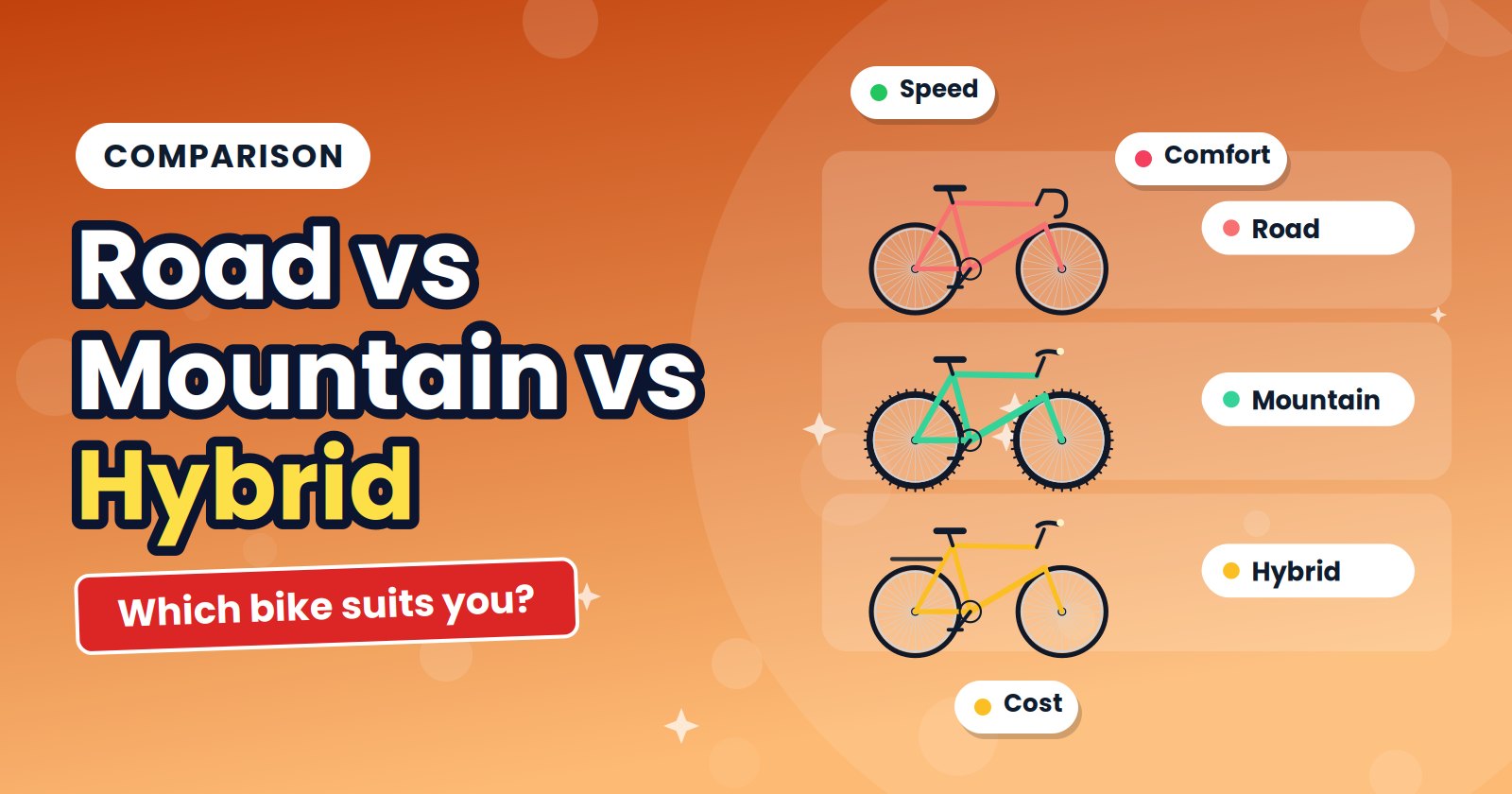
If you are torn between the first three, our comparison of road, mountain and hybrid bikes goes into more detail.
Fit matters more than features
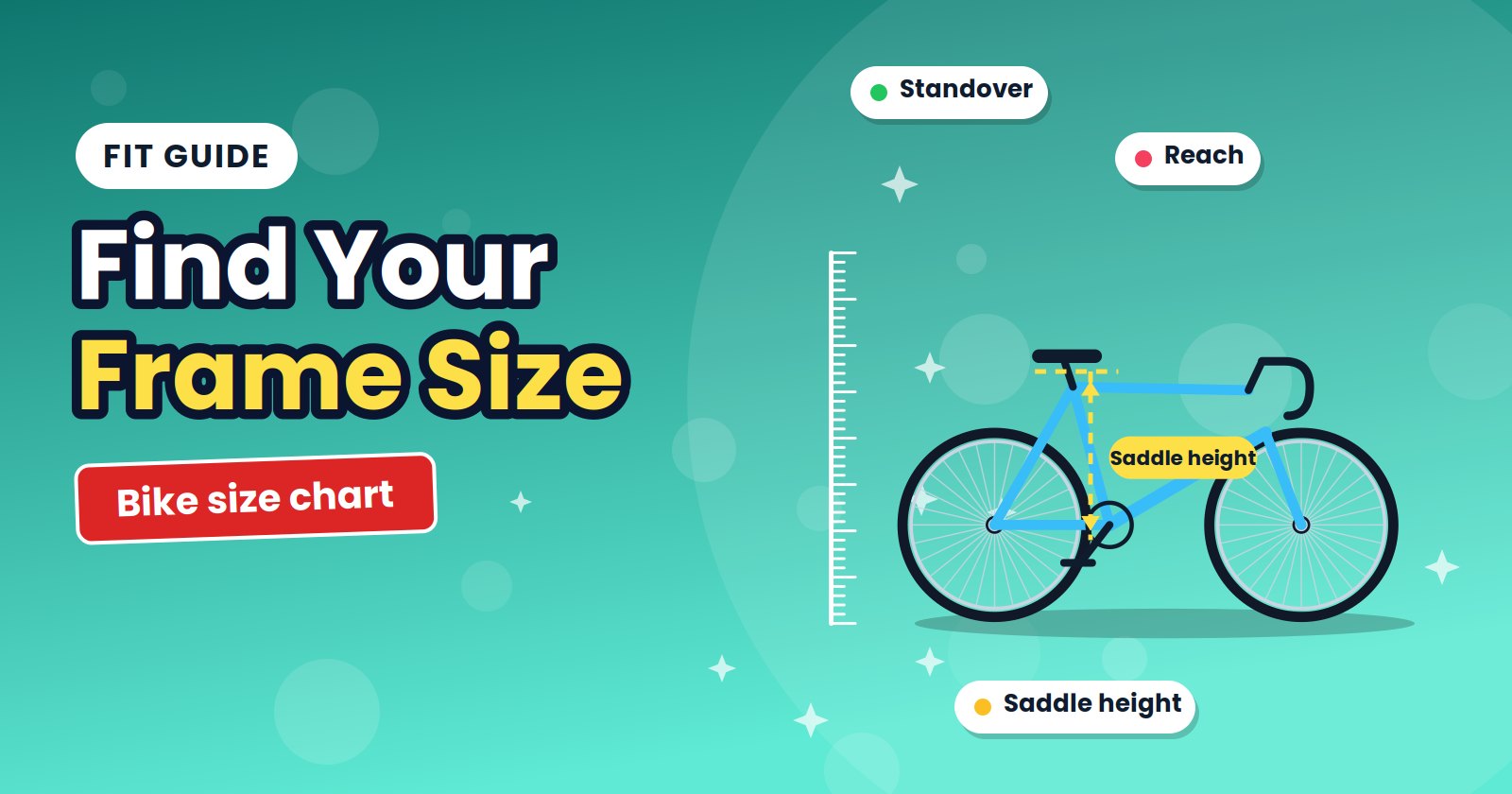
A good bike in the wrong size feels awkward and can cause knee, back or wrist pain. Two riders of the same height can still prefer different sizes, so never choose from a chart alone. You should be able to stand over the top tube with a little clearance, reach the handlebar without stretching and extend your leg almost fully at the bottom of the pedal stroke. Read our frame size guide before you shop.
Gears and brakes
A bike with a wide range of gears makes hills and headwinds far easier. Single-speed bikes are simple and cheap to maintain but only suit flat areas. For most beginners, a bike with 7 to 24 gears is a sensible choice.
Brakes come in two main types. Rim brakes squeeze pads against the wheel rim; they are light and simple. Disc brakes squeeze pads against a small metal rotor and give steadier stopping in wet or muddy conditions. Hydraulic discs need less hand force than mechanical discs and are common even on mid-priced bikes.
Frame material
- Steel: comfortable and easy to repair, but usually heavier
- Aluminium: light and stiff, and the most common choice from entry level to mid-range
- Carbon fibre: the lightest and most expensive; not needed for a first bike
Tip: spend your money on a correct fit, reliable brakes and decent tyres rather than on the lightest frame. These make the biggest difference to how much you enjoy riding.
Budget and the extras
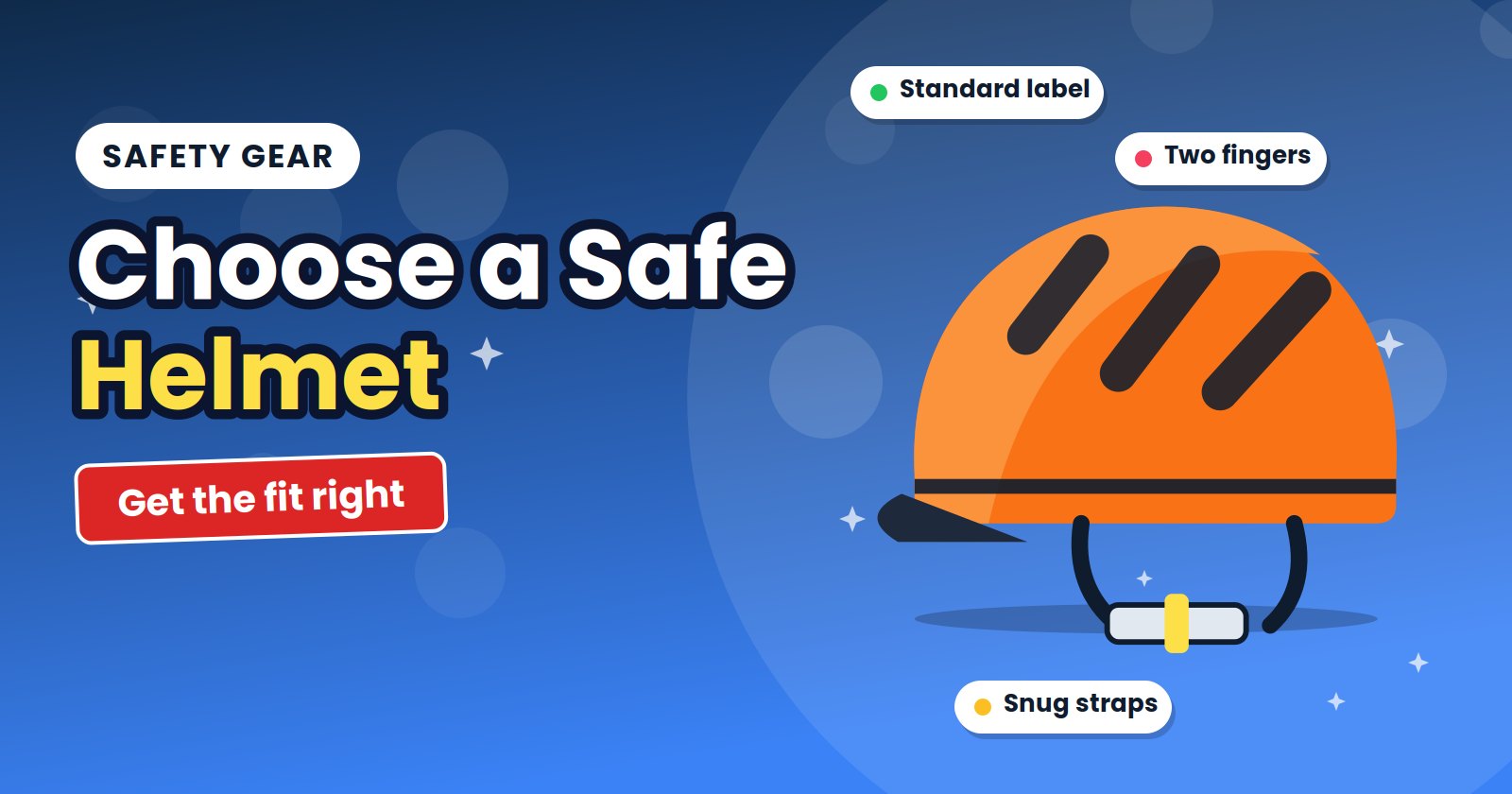
Set aside part of your budget for a helmet, lights, a strong lock and a pump. These are not optional extras. Our guide to what a good bicycle costs explains how to plan for them.
Test ride checklist
- The saddle can be set to a comfortable height and you can stand over the frame
- Brakes stop the bike smoothly without squealing or pulling to one side
- Gears change cleanly, including when you pedal under light load
- The steering feels straight and there are no clicks or creaks
- You feel relaxed, not stretched, when holding the handlebar
Final thoughts
Choose the type of bike that matches your real riding, get the size right and test ride at least two models. A bike that fits well and feels good will be ridden often, and that is what matters most.
This guide is for general information only. Bikes, prices and local rules differ, so check your bike manual and local regulations, and see a qualified mechanic for safety-critical repairs. If you have a health concern, speak to your doctor before starting a new exercise routine.